
A used car’s trim level plays a major role in whether its asking price makes sense and what features, performance, and equipment the buyer is getting. Most vehicles are sold in several trims, ranging from basic and midlevel versions to luxury or performance models.
Shoppers can’t always rely on a vehicle’s listing or paperwork to identify the trim correctly. The title or registration may leave it out, the listing may be wrong, and trim names and standard features can change by model year. Some features may also have been optional on a trim level or added by previous owners.
Knowing how to verify a trim level and understanding what it means can help shoppers compare similar vehicles, confirm which features and equipment the car originally included, and judge whether the asking price is fair.
What does a car’s trim level mean?
A trim level identifies a specific version of a vehicle and can impact the standard features, equipment, styling, performance, and price associated with it. Lower trims generally include the basics, while higher trims usually add more technology, comfort, luxury, or performance.The make, model, and trim each mean something different. For example, for a Toyota Camry: Toyota is the make, Camry is the model, and LE, SE, XLE, and XSE are examples of trim levels offered for certain Camry model years.
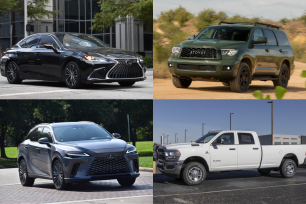
The differences in trim levels can be substantial. One trim may have a different engine, drivetrain, suspension, or towing capacity, while another trim might differ mainly in its seats, wheels, lighting, technology, or convenience features.
Options and packages can make trim levels harder to distinguish. An option is a single added feature, while a package combines several features. A lower trim with an optional package may have equipment that is standard on a higher trim, but having that option does not give the vehicle a higher trim.
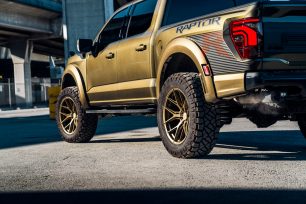
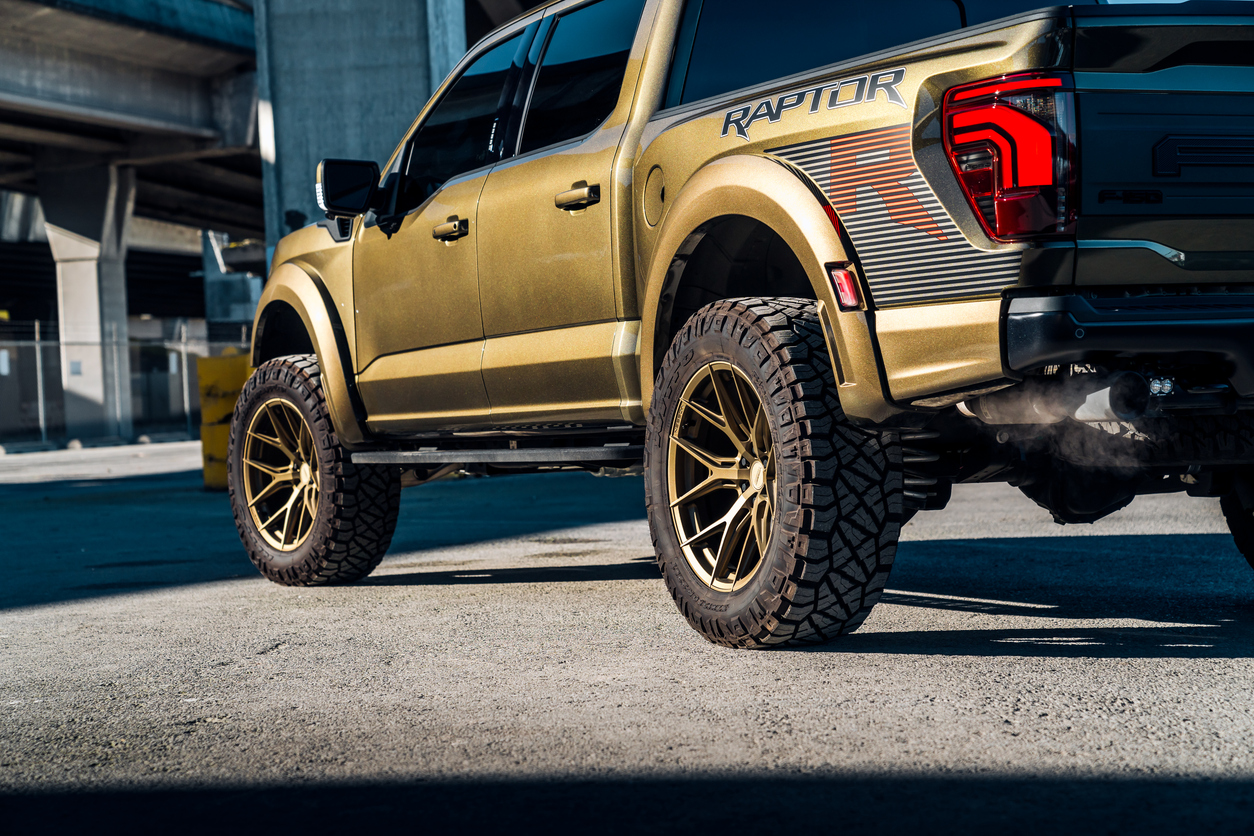
There are also special-edition vehicles, which may include unique styling, colors, badges, features, or equipment. A special edition may be its own trim level, or it may be an option or appearance package added to an existing trim. The manufacturer’s information for that model year will show how it was classified.
Why does knowing the correct trim matter?
Knowing the right trim helps shoppers make a fair price comparison and understand what they are buying. A higher trim may be worth more because it came with additional features, upgraded materials, or different performance equipment. A lower trim may be worth less even when the cars share the same make, model, and year.Owners may need to know the correct trim when ordering certain parts, checking specifications, obtaining an insurance quote, or selling their car. Some trim differences involve the engine, drivetrain, suspension, towing capacity, or other important specifications. Others mainly relate to the seats, wheels, lighting, infotainment system, or convenience features.
Confirming the trim is especially important when the available trim levels differ substantially in price, performance, or equipment. In those cases, shoppers should not rely solely on the seller’s listing or the vehicle’s visible features.
Using a window sticker to confirm a car’s trim
The original window sticker is one of the easiest places to find a car’s trim because federal law requires it to be displayed on new automobiles before they are sold. A window sticker typically identifies a vehicle’s make, model, and trim, and lists its standard equipment, factory options and packages, original price, and VIN.If an original window sticker is available, make sure its VIN matches the VIN on the car. If the VIN matches and the trim is shown, the window sticker can confirm the vehicle’s original trim and factory equipment.
Many owners no longer have the window sticker by the time they want to sell their car. When the original is not available, shoppers can use a third-party service such as the iSeeCars Window Sticker Lookup to search for an original or recreated window sticker. Recreated stickers use licensed manufacturer data to provide the same type of vehicle information shown on the original sticker. Shoppers can also check whether the manufacturer offers vehicle-specific information online or search for a free original sticker through sites like WindowStickerLookup.com or MonroneyStickerByVIN.com.
It’s important to note that a window sticker shows how a car was equipped when it was new, but it does not confirm that all of the original equipment is still present. Wheels, seats, electronics, badges, and other parts may have been removed, replaced, or added over time.
Using a build sheet to confirm the trim
If a window sticker is not available, a build sheet may be available. A build sheet is a manufacturer record showing the equipment and options installed on a specific vehicle when it was assembled at the factory.The build sheet can include the engine, transmission, paint and interior colors, factory options, packages, and production codes assigned to a particular VIN. Availability varies considerably by automaker and vehicle age.
The iSeeCars Build Sheet Lookup can help car shoppers check whether build information is available for a particular vehicle. BuildSheetByVIN.com is a site that lets you check if a free build sheet is available. These records can offer more details than a basic VIN decoder, as well as factory codes that car owners might find useful.
A build sheet may not be needed when the window sticker already gives a clear answer about the trim level. But it is useful when no sticker can be found, when the trim is unclear, or when a shopper needs to confirm whether a particular factory option or package was originally installed on a vehicle.
How can a VIN lookup help?
A VIN lookup is another place you can check when manufacturer documents are not available. The NHTSA VIN decoder provides vehicle information based on VIN-decoding data submitted by the manufacturer. It does not necessarily identify the trim, options, or packages.For some vehicles, a VIN decoder may name the exact trim. For others, it may show only the model, body style, engine, drivetrain, manufacturing plant, or other specifications. The amount of information differs because manufacturers do not encode and report every vehicle detail in the same way.
The iSeeCars VIN Lookup can provide basic vehicle specifications, along with additional details and analysis in its iVIN Reports. VINLookup.org also offers a free VIN report with vehicle specifications and some history information.
Can a vehicle’s title or registration identify the trim?
Documents like the title, registration, insurance paperwork, service records, purchase agreements, and sales listings may include the trim, but not always.For example, a California vehicle title may include the VIN, make, model, and year. Its basic registration information includes fields such as model year, make, body type, and VIN, but not a separate retail trim field. Other states use their own forms and record systems.
Insurance, repair, and sales systems may fill in vehicle details using a VIN database or information entered by a person. As a result, the trim level may be abbreviated, replaced by a general model description, or entered incorrectly.
The trim on a vehicle’s paperwork may match what a window sticker, build sheet, or VIN lookup says. But if it doesn’t match, the paperwork should not be viewed as more authoritative than the manufacturer’s information.
Vehicle history information is also available from reports like the iSeeCars vehicle history report. These kinds of reports are often used to research a car’s title and reported history rather than as the only source of its original trim, and the information they include varies depending on the provider.
What if no trim information is available?
When records do not clearly identify the trim, you can compare the car’s equipment with the automaker’s information for that model year.Be sure to use the specifications for the right model year because automakers can change trim names, standard equipment, and available packages from one year to the next. A feature that identifies a higher trim in one year may be optional or standard on several trims in another year.
Start with things that are difficult or expensive to change, such as the engine, transmission, drivetrain, suspension, seating layout, or major technology systems. Then check the wheels, headlights, seat material, infotainment system, climate controls, sunroof, exterior details, and driver-assistance features.
One feature on a vehicle rarely identifies the right trim. Leather seats, larger wheels, a premium audio system, or a sunroof may have been optional on another trim or added later. Several matching details provide a better indication, but factory documentation is still the best source when the exact trim materially impacts a vehicle’s value.
Checking car shopping websites like the iSeeCars used car search can help shoppers compare the vehicle with other examples from the same model year and trim. Doing this may reveal whether a vehicle’s price and advertised equipment are a match. Car listings should not be relied on as proof though, because sellers and websites can also list the wrong trim.
You can also use the badge as a clue, then compare it with the VIN, factory documents, and equipment. A badge is the lettering or emblem on a vehicle that may help identify its model, trim, engine, drivetrain, or special edition. Some vehicles do not display the trim name, and a badge can also be removed, replaced, or added to make the car resemble a different version. Among all the indicators of a vehicle’s trim level, the badge may be the least reliable.
Where should you look first?
Here’s are different places to look for a car’s trim, starting with the most direct sources:- Look for the original or recreated window sticker.
- If no useful sticker is available, check for a build sheet or manufacturer record.
- Use a VIN lookup to check the trim and other vehicle details.
- Check a vehicle history report and other records for supporting information.
- Compare the vehicle’s equipment with the correct model year’s trim specifications.
- Treat badges and appearance as clues rather than proof.