

Window stickers and build sheets both help explain how a vehicle was originally equipped, but they focus on different kinds of information.
That difference matters when researching a vehicle or comparing vehicles, especially when details like original MSRP, factory packages, production data, or optional equipment are important.
What is a window sticker?
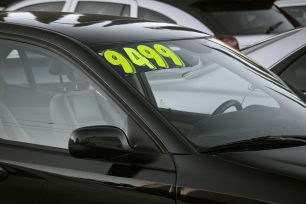
A window sticker, also called a Monroney sticker, is the label originally attached to a new vehicle. It was created when Congress passed the Automobile Information Disclosure Act of 1958, commonly known as the Monroney Act, to help car shoppers compare vehicles more easily and prevent misleading pricing or hidden charges at dealerships. The law requires manufacturers to securely affix the label to the windshield or side window before delivering new automobiles to dealers.A factory window sticker shows the vehicle’s original MSRP, standard equipment, optional packages, fuel economy ratings, destination charge, warranty information, and other buyer-facing details.
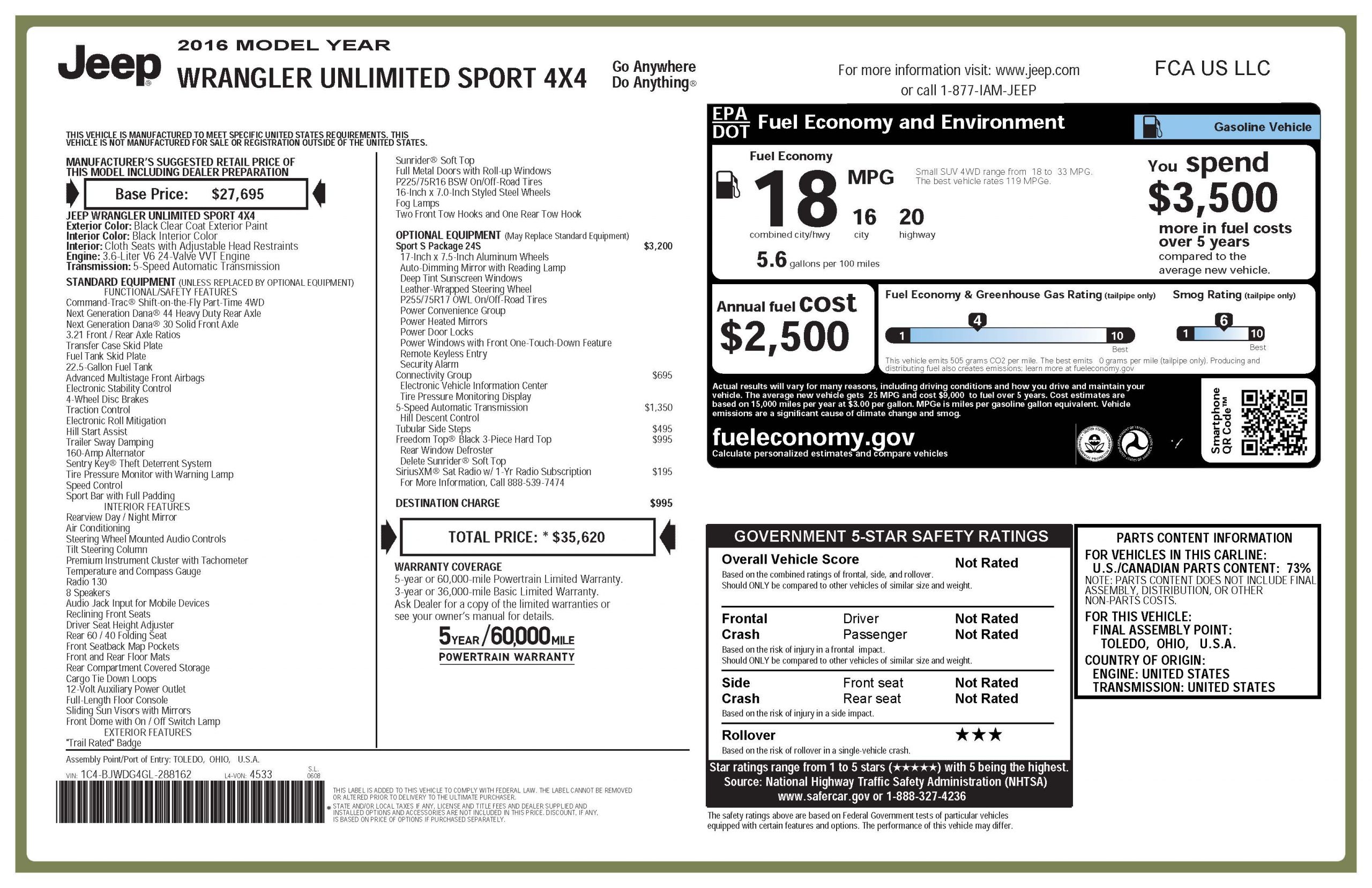
For used-car shoppers, a window sticker is one of the easiest ways to understand how a vehicle was originally priced and equipped. It can show whether a truck, SUV, or car originally came with expensive options that may not be obvious from photos, such as upgraded suspension, premium audio, towing equipment, larger infotainment screens, or driver-assistance packages.
Window stickers are also easy to read because they organize equipment into package names and consumer-friendly descriptions instead of internal factory codes. That makes them useful for comparing vehicles, researching original pricing, checking factory options, or understanding how a vehicle was marketed when it was new.
Depending on the manufacturer and model year, some original window stickers may still be available from an automaker or third-party source. Some window sticker lookup tools by VIN can also generate recreated factory window stickers using official manufacturer data.
What is a build sheet?
A build sheet is a factory record showing how a vehicle was originally equipped and configured on the assembly line.Unlike a window sticker, which was designed for consumers shopping for a vehicle, a build sheet was created for factory production and equipment tracking. As a result, build sheets are often more technical and detailed than window stickers and they do not focus on MSRP, fuel economy labels, or package pricing.
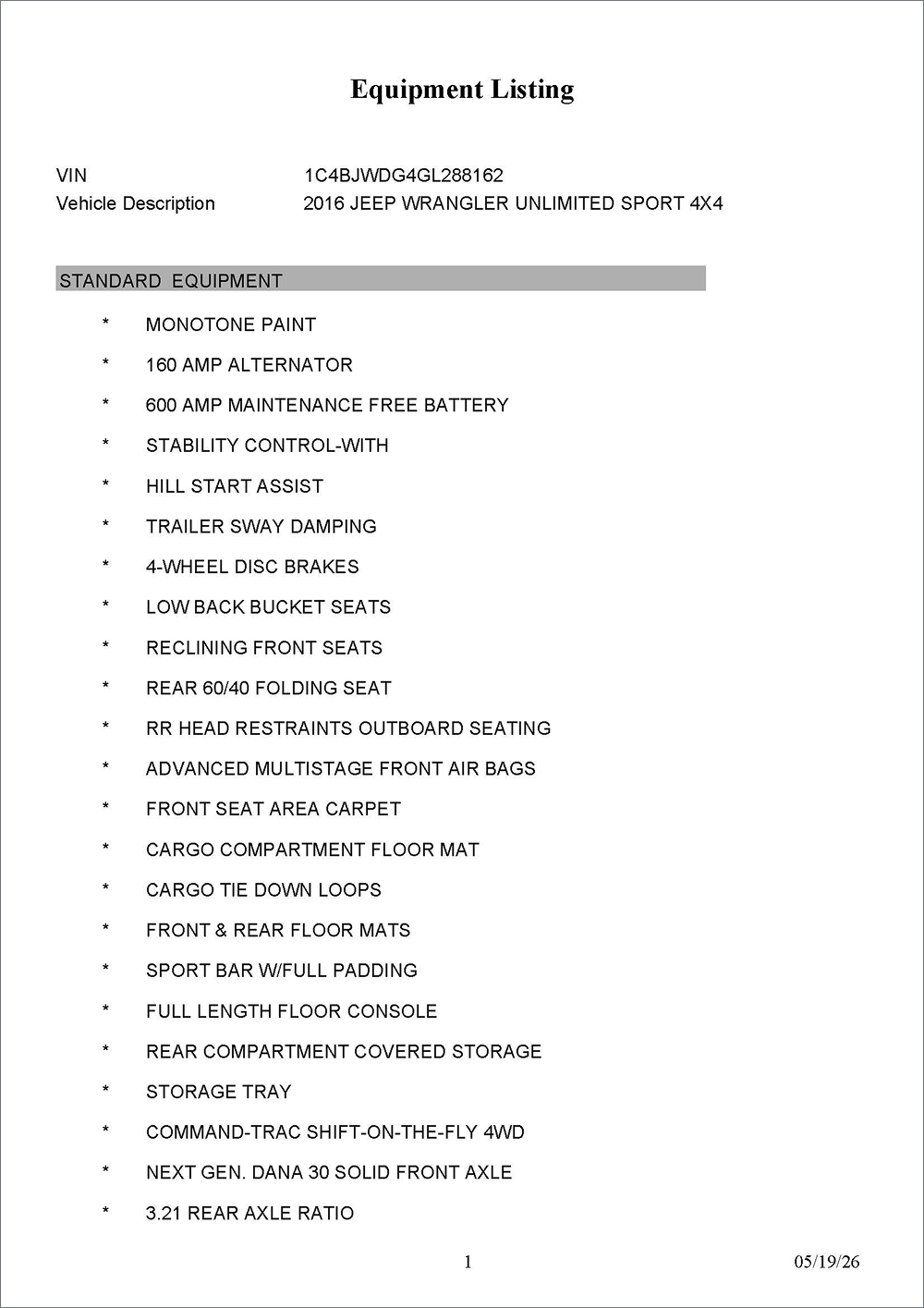
A build sheet may include factory-installed options, paint and interior trim codes, engine and transmission codes, axle or drivetrain configuration details, internal package codes, and other production specifications tied to the vehicle’s original build.
Some build sheets contain factory abbreviations or production codes that never appeared on the original window sticker. That information can be especially useful for collector vehicles, restoration projects, performance models, rare factory packages, or models with multiple similar configurations.
Two vehicles with the same trim level may still have different suspension setups, towing equipment, axle ratios, drivetrain components, or factory-installed options that are easier to identify through build data than through a consumer-facing window sticker.
Window Sticker vs. Build Sheet: Side-by-side Comparison |
||
| If you want to . . . | Window Sticker | Build Sheet |
| See original MSRP and package prices |
✓ |
|
| Verify exact factory-installed options |
✓ |
|
| Check fuel economy and warranty info |
✓ |
|
| Confirm paint, trim, axle, or production codes |
✓ |
|
| Create a dealership-style listing |
✓ |
|
| Restore or authenticate a vehicle |
✓ |
|
| Understand what a used car originally included |
✓ |
|
| Verify a rare trim/package is genuine |
✓ |
✓ |
Should you check both reports?
You don’t always need to see a window sticker and a build sheet, but checking both can provide more information when researching expensive option packages, factory equipment, rare configurations, or vehicles with similar factory packages or configurations.Checking both reports can be especially helpful if you are:
- Comparing similar vehicles with very different prices
- Researching expensive option packages
- Verifying factory-installed performance equipment
- Confirming paint, trim, or drivetrain details
- Evaluating collector or enthusiast vehicles
- Checking whether a vehicle still matches its original factory configuration
Where can you find window stickers and build sheets?
Some manufacturers provide original window stickers online, though availability varies by brand and model year. There are third-party sites that streamline the process of finding a free window sticker or build sheet, such as: iSeeCars also offers Window Sticker Lookup and Build Sheet Lookup tools that provide original or recreated reports using manufacturer data.Window stickers and build sheets both show information about a vehicle’s original factory equipment, but many shoppers are more familiar with window stickers and may not fully understand what a build sheet shows or why it matters when researching a car.
Understanding the difference between a window sticker and build sheet can make it easier to compare vehicles, spot meaningful equipment differences, and understand why two seemingly similar vehicles may be priced very differently.