

When you’re shopping for a used car, the listing is supposed to help answer a simple question: Does this vehicle have what you want?
Answering that question can be harder than it seems. A car may be advertised with the correct trim, package, or features, but that doesn’t always mean the vehicle is equipped with what the buyer expects.
That’s why it’s worth verifying a used car’s installed options before making a decision. The goal is to make sure the vehicle has what the buyer wants and the price reflects the equipment that’s actually on the car.
Don’t assume the listing has every feature right
The description in a used car listing is useful, but not always accurate. Sellers and dealers often rely on software that fills in equipment based on a vehicle identification number (VIN), trim, or database match. That can save the seller time, but it can also create errors if a feature was optional or the software makes a mistake.This is especially common with phrases that sound specific but may not be. Technology package, driver assistance, premium package, and tow package can mean different things, depending on the vehicle and model year. A buyer should know exactly what features they care about, then verify those features were actually installed.
It also helps for buyers to separate needs from nice-to-haves. If the car must have a certain seating layout, towing setup, safety system, or comfort feature, that item deserves more scrutiny than a minor cosmetic upgrade.
Looking at used car listings online can help shoppers compare similar vehicles, but the equipment still needs to be confirmed on the specific vehicle. Paying a higher price may be justified by desirable options, but only if those options actually exist.
Compare the description against the pictures
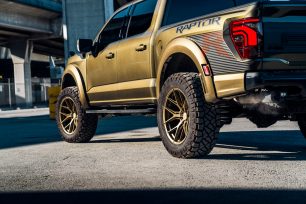
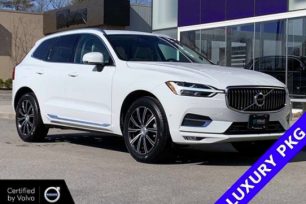
This step is about looking for obvious mismatches. Photos are one of the easiest ways to spot an inaccurate listing before seeing the vehicle in person. A listing that advertises a feature but doesn’t show it clearly may still be accurate, but it gives the buyer a reason to ask for more photos or documentation.Interior pictures can reveal a lot. If the description says the car has a large infotainment screen, the dashboard photo should show that. If seating configuration matters, interior photos should show the actual layout. Steering wheel buttons, seat controls, climate controls, screen size, camera views, and dashboard menus can all help confirm whether important equipment is present. Exterior photos can also help verify wheel upgrades, roof rails, tow hardware, lighting, and trim details such as blacked-out or chrome accents.
If the listing doesn’t have photos, or they’re too blurry or too limited to verify a major feature, ask for better images before making a trip to see the car. This small step can prevent wasted time and make the in-person inspection more focused.
Use VIN-based tools to verify installed options
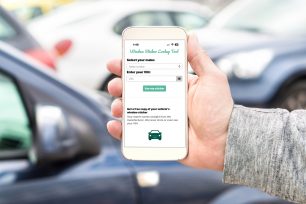
The VIN identifies a specific factory-built vehicle, not just a general model description. Using tools like VIN Lookup or iSeeCars’ VIN Check can help confirm basic information such as model year, make, model, body style, engine, trim and standard equipment details.For most vehicles, a window sticker may be even more useful. It shows the vehicle’s original MSRP, standard equipment, factory-installed options and packages, destination charge, and fuel economy information. Using iSeeCars’ window sticker tool is a good way to check whether the seller’s description matches how the vehicle was originally configured. There are also sites that provide free original window stickers for select brands, such as Monroney Sticker by VIN and Window Sticker Lookup.
A build sheet can also help buyers confirm specific factory equipment. Build sheets can include production codes, paint and trim information, drivetrain details, option codes, axle ratios, and other configuration data. A build sheet lookup may be useful when a window sticker isn’t available or when the buyer needs more detail than the window sticker provides. Tools like Build Sheet by VIN also offer free build sheets for a few brands.
VIN-based lookup tools can have limitations. Some decoders may summarize equipment broadly and some features may not be included. VIN lookups, window stickers, and build sheets can help narrow down which equipment the vehicle most likely has, but any important features should still be confirmed on the car itself.
Look for proof when you inspect a vehicle in person
One of the most reliable ways to verify equipment is in person. During an inspection or test drive , buyers should compare the advertised features with what is actually on the vehicle, especially for options that affect price, comfort, safety, or utility.Driver-assistance features need careful checking because a listing may not clearly identify what’s installed on the vehicle. For example, a car may have standard cruise control, but not adaptive cruise control. The same issue can come up with parking cameras, lane-keeping features, blind-spot alerts, and other safety technology.
Other features are usually easier to confirm when the buyer is inside the car. Heated seats or seat ventilation, memory settings, a power liftgate, a head-up display, or a wireless charging pad should be visible or easy to test.
Towing equipment may require more research, since seeing a hitch does not prove the vehicle has a factory towing package. Buyers who plan to tow should verify the actual equipment and review the vehicle’s documentation.
For a step-by-step vehicle inspection checklist, see the iSeeCars guide on what to look for when buying a used car.
Check the infotainment menus and settings
Some options aren’t obvious by just looking at a vehicle. Modern vehicles often place safety, comfort, audio, lighting, camera, and driver-assistance settings inside the infotainment system or driver display.During a test drive, buyers should also check the vehicle’s screen menus for features that are not obvious from photos or buttons. This is often where the vehicle shows whether it has factory navigation, certain camera views, driver-assistance settings, drive modes, or trailer settings. If a buyer can’t check the menus in person, they should ask the seller to send a photo or video that shows the feature.
After seeing a feature’s name on the screen, buyers should test the features that matter most to them. That can mean opening the power liftgate, checking the seat heat or ventilation, using the camera views, or listening for problems with the stereo. If a feature does not work properly, the buyer can try to use that as leverage to negotiate a better price.
Ask the seller for documentation
Documentation can help when it is available, especially for confirming a factory option or package. A window sticker, build sheet, or dealer equipment report can help show how the vehicle was originally configured.Ask the seller specific questions. For example, instead of asking whether the car has a premium package, ask whether the seller can provide documentation listing that package. For a towing package, ask what equipment is included and confirm that info with the window sticker, build sheet, or owner’s manual.
Private sellers may still have original paperwork from their purchase. Dealers may have access to equipment reports or sticker information, depending on the vehicle. If the seller can’t provide documentation, that doesn’t automatically mean the feature is missing, but it does mean the buyer should find another way to verify it.
If seller documentation is not available, a VIN report, window sticker lookup, or build sheet lookup can help buyers look for vehicle-specific information another way. The goal is to avoid paying for equipment that cannot be confirmed.
Double-check these features carefully
Some features are more likely to be overstated or misunderstood because they are optional, bundled into packages, or vaguely described.Driver-assistance systems are a good example. A listing may use broad terms like “lane assist” or “parking assist,” but the actual vehicle may have only part of the technology a buyer expects. The safest approach is to confirm the exact system a vehicle has and test it when possible.
Infotainment and audio features also deserve a close look. A vehicle may have a touchscreen without factory navigation, or a good sound system without the premium audio upgrade. Larger screens, branded audio, wireless phone features, and rear entertainment systems should be checked through photos, menus, and a physical inspection.
Seating is another area where relying on the listing description or photos can cause problems. Third-row seating, captain’s chairs, heated rear seats, ventilated front seats, power-folding seats, and upholstery type can make a major difference in daily use. They are also easy to verify once a buyer knows to check them.
Exterior and utility equipment should also be checked. Wheels, roof rails, running boards, blacked-out trim, and towing-related hardware can affect both price and everyday usefulness.
Verify installed options before negotiating the price
After you confirm the vehicle has the advertised equipment, that information can shape the negotiation. If a listing advertises features the car doesn’t have, the asking price may be too high. The seller might have made an honest mistake, but the buyer is still considering a less-equipped vehicle than the listing described.The opposite can also happen. If a car has desirable options that are not clearly described in the listing, it may be more appealing than it first seemed. That can help buyers decide whether a higher price is justified and how quickly they should act.
Verifying equipment gives buyers a stronger basis for deciding whether to negotiate, walk away, or move forward with more confidence.
The bottom line for used car shoppers
A used car’s advertised features should be viewed as details to confirm, not facts. Trim names, seller descriptions, and photos can all be helpful, but they don’t guarantee the exact equipment a vehicle has.Before buying, confirm the options that matter most through more than one source. Check the listing photos, the vehicle itself, and the infotainment menus, then use a VIN report, window sticker, build sheet, or seller documentation when available.
The more a feature affects price, safety, comfort, towing, seating, or daily usability, the more important it is to verify. Taking that step can mean the difference between buying the right car and overpaying for the wrong one.