
Highlights:
- Used Tesla prices have gone up 4.3% since the EV credit ended on September 30, 2025, while nearly every other used electric vehicle price has fallen an average of 3.6%.
- Because Teslas make up the majority of used EVs, the average price for a used EV has risen by 3.5%, while the average cost of a used internal combustion vehicle is down 2.0%.
- Used EV market share is down 20% since September, dropping dramatically since the EV credit ended.
- For new EVs (excluding Teslas), the average price is down 2.3% since September, while the average price of new internal combustion vehicles is up 2.5%.
- For both new and used EVs the pattern is clear: higher-volume, lower-cost non-Tesla models have been forced to drop prices to compensate for the loss of the EV credit.
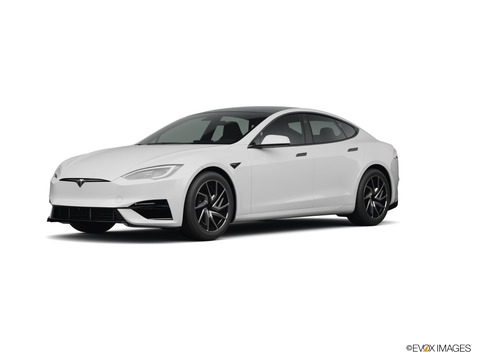
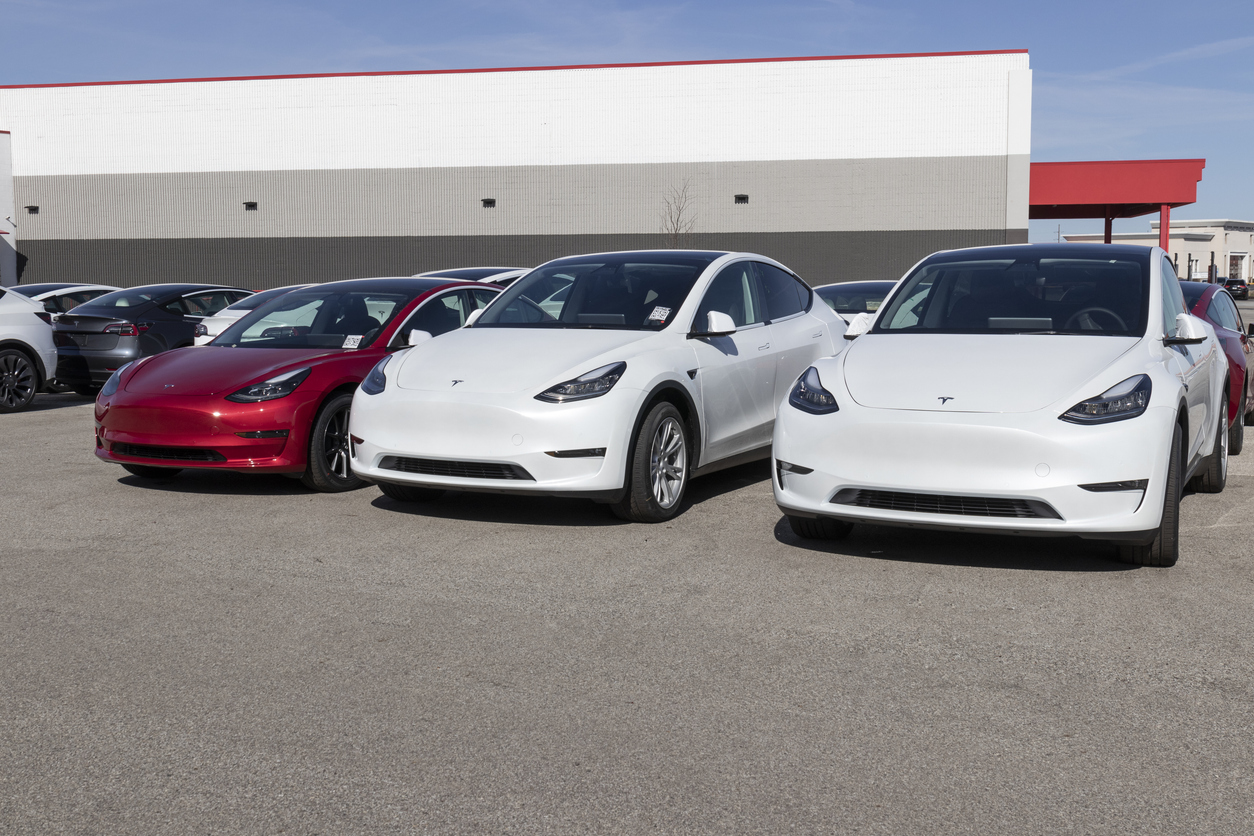
Tesla is resisting an electric vehicle trend, with prices for all four of its models rising in the used car market even as they fall for nearly every other used EV. Just four months after the loss of the electric vehicle credit on September 30, 2025, used Tesla prices are up 4.3% while the rest of the used EV market has fallen 3.6%.
New electric vehicles prices (excluding Tesla) have similarly dropped 2.3% overall, with a dramatic drop on higher-volume, lower-cost models.
iSeeCars analyzed the list prices of over 1.7 million 1- to 5-year-old used cars and over 4 million new cars sold in September 2025 and January 2026 to identify pricing trends since the EV credit ended last year (Tesla data for new cars is not publicly available, so it was not included in the new car analysis).
“When looking at new and used EV price shifts, it seems clear manufacturers and dealers are trying to offset the loss of the EV credits with lower prices on mainstream models,” said iSeeCars Executive Analyst Karl Brauer. “But Tesla pricing has proven resilient, rising while nearly every other electric vehicle price has fallen since the EV credits went away.”
Average Price of Used Cars, Post EV-Credits: EVs vs. ICE Vehicles
When looking at the pricing trend of used EVs versus used internal combustion models since the EV credit ended, electric vehicle prices increased by 3.5% while gasoline car prices dropped by 2.0%. This suggests the used EV market has gotten stronger, but looking closer at the numbers shows that it’s almost entirely Tesla driving the price increase.| Average Prices of 1- to 5-Year-Old Used Cars By Drivetrain - iSeeCars Study | |||
| Segment | Avg Price Sept. 2025 | Avg Price Jan. 2026 | % Change |
| EVs | $29,637 | $30,666 | +3.5% |
| Internal Combustion Vehicles | $31,900 | $31,249 | -2.0% |
| Used EV Pricing By Brand - iSeeCars Study | |||
| Brand | Avg Price Sept. 2025 | Avg Price Jan. 2026 | % Change |
| Tesla | $30,040 | $31,329 | +4.3% |
| All Others* | $24,629 | $23,738 | -3.6% |
“Tesla still makes up the bulk of the used EV market, which means its price increases have led to an overall increase in used EV pricing since September,” said Brauer. ”But when you remove Tesla models from the used EV market, there’s a substantial drop in EV prices.”
Used EV Pricing Down on Almost Every Model, Except Teslas and One Porsche
While overall used EV pricing has increased since September, the increases all came from used Teslas and the Porsche Taycan, which are among the most expensive used EVs. Low-cost used EVs, including the Hyundai Kona, Volkswagen ID.4, Kia Niro EV, and Nissan Leaf, have dropped between $500 and $1,500.| Used EV Models Pricing - iSeeCars Study | |||
| Model | Avg Price Sept. 2025 | Avg Price Jan. 2026 | % Change |
| Hyundai Kona Electric | $21,020 | $19,678 | -6.4% |
| Volkswagen ID.4 | $23,307 | $21,860 | -6.2% |
| Kia Niro EV | $21,128 | $20,024 | -5.2% |
| Ford Mustang Mach-E | $30,575 | $29,014 | -5.1% |
| Nissan LEAF | $16,360 | $15,606 | -4.6% |
| Polestar 2 | $26,006 | $25,508 | -1.9% |
| Tesla Model Y | $29,603 | $29,989 | +1.3% |
| Tesla Model 3 | $25,061 | $25,701 | +2.6% |
| EV Average | $29,637 | $30,666 | +3.5% |
| Porsche Taycan | $74,465 | $77,552 | +4.1% |
| Tesla Model S | $47,226 | $51,249 | +8.5% |
| Tesla Model X | $51,973 | $57,306 | +10.3% |
Used EV Market Share Sees a Big Drop
These used EV price trends have occurred during a 20% drop in EV market share between September 2025 and January 2026, which indicates a substantial drop in people buying used electric vehicles.| Used EV Share of 1- to 5-Year-Old Used Cars - iSeeCars Study | |
| Period | EV Share |
| September 2025 | 3.5% |
| January 2026 | 2.8% |
| % Change in Share | -20.0% |
| Used EV Share of 1- to 5-Year-Old Used Cars - iSeeCars Study | |
| Period | EV Share |
| September 2024 | 1.8% |
| January 2025 | 2.1% |
| % Change in Share | 19.5% |
Average Price of New Cars: EVs vs. Internal Combustion Vehicles
Overall new electric vehicle prices (excluding Tesla) are down by 2.3% while new internal combustion prices are up 2.5% since September. That’s almost a five percent disparity in price movement between the two drivetrain types.| Average Prices of New Cars By Drivetrain - iSeeCars Study | |||
| Segment | Avg Price Sept. 2025 | Avg Price Jan. 2026 | % Change |
| EVs* | $63,327 | $61,860 | -2.3% |
| Internal Combustion Vehicles | $46,290 | $47,427 | +2.5% |
“Demand for traditional, gasoline-powered models has remained strong enough to see prices creep up since September, even as new electric vehicle prices have fallen,” said Brauer.
New Electric Vehicle Pricing Shifts: September 2025 to January 2026
Breaking out new electric vehicle pricing by model identifies several EVs with larger price drops than the 2.3% average. The Hyundai Ioniq 5, Chevrolet Equinox EV, Jeep Wagoneer S, Ford F-150 Lightning, Volkswagen ID. Buzz and Kia Niro all dropped more than 5%, or between $2,000 and $7,200. Two of these models, the F-150 Lightning and ID. Buzz, have also been cancelled for 2026.| New EV Models* Pricing - iSeeCars Study | |||
| Model | Avg Price Sept. 2025 | Avg Price Jan. 2026 | % Change |
| Hyundai IONIQ 5 | $52,273 | $45,068 | -13.8% |
| Chevrolet Equinox EV | $42,373 | $38,687 | -8.7% |
| Jeep Wagoneer S | $58,377 | $53,568 | -8.2% |
| Ford F-150 Lightning | $70,482 | $65,722 | -6.8% |
| Volkswagen ID. Buzz | $65,753 | $61,425 | -6.6% |
| Kia Niro EV | $39,363 | $37,267 | -5.3% |
| Dodge Charger | $55,873 | $53,195 | -4.8% |
| GMC Sierra EV | $78,897 | $75,302 | -4.6% |
| Kia EV6 | $50,664 | $48,732 | -3.8% |
| Kia EV9 | $64,125 | $61,749 | -3.7% |
| Volvo EX90 | $86,343 | $83,867 | -2.9% |
| EV* Average | $63,327 | $61,860 | -2.3% |
| Audi A6 Sportback e-Tron | $67,718 | $70,338 | +3.9% |
| Lucid Air | $91,479 | $96,256 | +5.2% |
| Audi Q6 e-Tron | $68,250 | $72,052 | +5.6% |
| Audi Q4 e-Tron | $57,622 | $60,867 | +5.6% |
| Volvo EX40 | $55,343 | $59,239 | +7.0% |
| Mercedes-Benz EQS (SUV) | $109,614 | $123,643 | +12.8% |
“When looking at which new electric cars have dropped the most in price we see primarily mainstream nameplates from mainstream brands – models that likely relied heavily on the $7,500 credit to spur consumer purchase,” said Brauer. “Conversely, higher-priced luxury models targeted at customers who aren’t as price sensitive are the EVs that have gone up the most in price.”
The loss of the EV credit, for both new and used electric cars, has forced a price reduction on the majority of models. Higher-priced vehicles, often sold in lower volumes to less price-sensitive buyers, have held steady or even gone up in price. But for mainstream non-Tesla EV buyers and sellers, the credit clearly played a part in selling electric vehicles, and it has been compensated for with lower prices.
“The resilience of Tesla pricing in a post-EV-credit world is remarkable, suggesting Tesla buyers remain loyal to the brand, with little reliance on the credit,” said Brauer.
Methodology
iSeeCars analyzed the asking prices of over 1.7 million 1- to 5-year-old used cars and over 4 million new cars sold in September 2025 and January 2026. Average pricing was aggregated by drivetrain and model and compared across the two periods. The market share of used EVs was also calculated for these periods. Note that Tesla data was not included in the new car data analysis. Heavy-duty vehicles, low-volume vehicles, vehicles discontinued as of the 2024 model year, and vehicles in production for fewer than four of the last five model years for each period were excluded from further analysis.
About iSeeCars
iSeeCars helps millions of people make smarter car decisions and find the best deals by leveraging data-driven research and unbiased analysis. iSeeCars Research conducts independent studies that provide key insights on vehicles, market trends, and the automotive industry, including Best Cars Rankings and the annual Longest Lasting Cars Study. With the goal of making car shopping easier and more transparent, iSeeCars.com analyzes millions of car listings and offers valuable resources like iVIN Reports, Window Stickers, and Build Sheets. iSeeCars has saved users over $451 million using over 25 billion data points and proprietary algorithms to objectively analyze, score, and rank new and used vehicles.